Why Heat Pump Installation Is Your Best Path to Year-Round Comfort
Heat pump installation offers an efficient way to heat and cool your home with a single system. Unlike furnaces that create heat by burning fuel, heat pumps move existing heat, extracting warmth even from cold outdoor air.
Beyond temperature control, heat pumps can also play a role in improving indoor comfort and air quality when properly maintained. Homeowners dealing with seasonal discomfort or indoor air concerns may benefit from understanding how these systems affect their living environment. Learn more about winter allergies and heat pumps and how the right heating system can support a healthier home.
When replacing an older heat pump system, understanding the replacement process can help homeowners prepare for installation and make better decisions about their home’s comfort needs. Our guide on steps for heat pump replacement explains what to expect during the process and how professional replacement can improve system performance.
Key benefits of heat pump installation include:
- Energy efficiency – Can reduce electricity use by up to 50% compared to conventional heating
- Year-round comfort – Provides both heating in winter and cooling in summer
- Cost savings – Heat pumps can reduce annual energy bills by as much as 30%
- Environmental impact – Lower carbon footprint than gas or oil heating systems
- Long lifespan – Most heat pumps last 10-20 years with proper maintenance
Not every homeowner needs the same setup, though — the right-sized unit and installation approach depend on your home’s layout and existing ductwork. For a closer breakdown of what makes one installation more cost-effective than another, our page on the key benefits of heat pump installation walks through the efficiency math in plain terms.
The process involves a pre-installation assessment, installation of the indoor and outdoor units, and final system testing. A standard installation can often be completed in a single day.
With over 700,000 air-source heat pump units already installed across Canada, this proven technology continues to gain popularity among homeowners seeking efficient, reliable climate control.
Understanding the installation process helps you make an informed decision and get the best performance from your new system, whether you’re replacing an old furnace and AC or upgrading from baseboard heaters.
A smooth installation is only the start — how well the system holds up over the years comes down to the upkeep it receives afterward. Our guide on maintaining your heat pump post-installation lays out the seasonal checks and simple habits that keep performance steady and repair bills low.
Timing your installation right can also make a real difference to your budget. If a local promotional period is coming up, it’s worth checking current offers first — homeowners have saved on new systems through deals like our Washington State Fair heating installation promotion.
Installation day is just the starting point — a heat pump’s long-term efficiency depends heavily on the upkeep it gets afterward. We put together a short checklist on maintaining your heat pump post-installation so you know exactly what to check each season and avoid unexpected breakdowns.

Pre-Installation: Planning for Your New Heat Pump
Proper planning is the foundation of a successful heat pump installation. A thorough pre-installation assessment is crucial to understanding your home’s unique needs, ensuring your new system operates at peak performance for optimal comfort and energy savings.
During our assessment, we’ll look at several critical factors:
- Home Efficiency: A heat pump is only as efficient as the home it’s in. We assess insulation and air leaks. Addressing these issues before installation allows for a properly sized, more efficient system, saving you money.
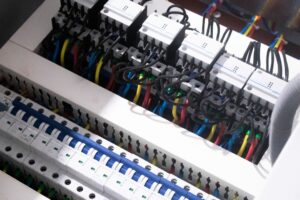
- Electrical System Capacity: Heat pumps may require more power than your old system. We inspect your electrical panel to ensure it can handle the load and advise on any necessary upgrades.
- Existing Ductwork Inspection: For ducted systems, we inspect your ductwork for leaks, blockages, or improper sizing. Since heat pumps can require different airflow than furnaces, we’ll recommend solutions to ensure conditioned air is distributed effectively throughout your home.
What Are the Main Types of Heat Pumps?
The right choice for your home depends on your climate, property layout, and budget. Here at Green City Heating and Air Conditioning, we work with all types to find the perfect fit for your King, Pierce, or Snohomish County home.
Here are the main types of heat pumps available:
- Air-Source Heat Pumps: The most common type, these systems transfer heat between your home and the outside air, providing both heating and cooling. Modern cold climate models are effective even in freezing temperatures. They come in two main configurations:
- Air-to-Air Heat Pumps: Distribute heated or cooled air through your home’s ductwork.
- Air-to-Water Heat Pumps: Heat water for hydronic systems like radiant floors or radiators.
- Ground-Source (Geothermal) Heat Pumps: These highly efficient systems use the stable temperature of the earth via underground pipes. They offer significant energy savings and have a very long lifespan, with the underground loop lasting up to 75 years.
- Ductless Mini-Splits: Ideal for homes without ductwork or for zoning specific areas. They consist of an outdoor unit connected to one or more indoor units and offer precise room-by-room temperature control. If you’re in Maple Valley, WA, we offer expert Ductless Heat Pump Installation in Maple Valley, WA.
- Water-Source Heat Pumps: These systems use a nearby body of water as a heat source or sink. They are highly efficient but require a suitable water source.
How to Choose and Size Your System
Properly sizing your heat pump is the most critical step of the heat pump installation process. An oversized system will waste energy and reduce comfort, while an undersized one won’t meet your home’s heating and cooling demands.
Our certified HVAC professionals use a detailed Manual J load calculation, which considers:
- Square Footage: The overall size of your home.
- Insulation Levels: How well your home retains heat.
- Window and Door Efficiency: The amount of heat transfer through these openings.
- Local Climate Zone: The typical temperature ranges in your area.
- Occupancy and Heat-Generating Appliances: The number of people and major heat sources.
Proper sizing ensures optimal performance, efficiency, and longevity by allowing the system to run consistent, efficient cycles.
We also consider specific performance ratings:
- SEER2 (Seasonal Energy Efficiency Ratio 2): Measures cooling efficiency. Higher numbers are better.
- HSPF2 (Heating Seasonal Performance Factor 2): Measures heating efficiency. Higher numbers are better.
- Cold Climate Models: For our Western Washington climate, models designed for cold weather are a smart choice. They maintain high efficiency in freezing temperatures, reducing the need for backup heat.
For a deeper dive into how these systems work, you can explore resources like A guide to heating and cooling with a heat pump. We ensure every system we install is perfectly matched to your home’s needs.
Key Factors for a Successful Heat Pump Installation
To ensure your heat pump installation is a success, our pre-installation checklist covers every detail. We conduct a thorough home assessment to check insulation, electrical capacity, and ductwork condition. We strategically select the best location for both indoor and outdoor units to ensure optimal airflow, quiet operation, and easy maintenance access. Finally, we handle all necessary local permits in King, Pierce, and Snohomish Counties, ensuring your installation is safe, efficient, and up to code. Attempting a DIY installation can lead to safety hazards and reduced efficiency, which is why our licensed and certified HVAC installers handle every step.
The Heat Pump Installation Process Step-by-Step
On installation day, our experienced, in-house technicians follow a precise process to ensure your heat pump installation is seamless. We never subcontract this critical work. A standard installation typically takes about 8 hours. Here’s what you can expect:
1. Site Preparation and Old System Removal
First, we prepare the site and remove your old system.
Clearing the area: We clear debris and vegetation from the indoor and outdoor work areas to ensure proper airflow for the new unit, which is essential for performance.
Leveling the pad: We ensure the outdoor unit sits on a perfectly level and stable foundation, often a concrete pad, to prevent vibration, reduce noise, and ensure smooth operation.
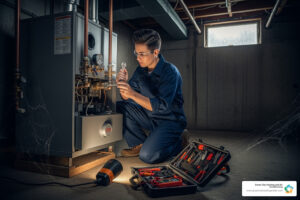
Disconnecting your old furnace or AC: Our technicians safely shut off power and disconnect your old system, preparing it for removal.
EPA refrigerant recovery: We adhere strictly to EPA standards, using specialized equipment to safely recover and recycle all refrigerant from your old system to protect the environment.

2. Placing and Connecting the New Units
Next, we position and connect the components of your new heat pump system.
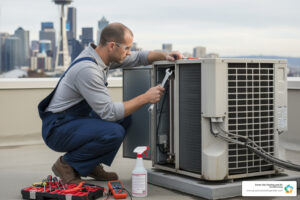
Outdoor unit placement: We precisely position the outdoor unit on its prepared pad, ensuring proper clearance for airflow, service access, and minimal noise impact.
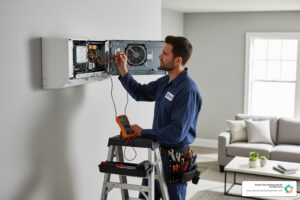
Indoor unit installation: For ducted systems, we install the air handler and connect it to your ductwork. For ductless systems, we mount the indoor units for optimal air distribution. We have extensive experience with Heat Pump Installation in Seattle, WA and the unique homes in the Pacific Northwest.
Connecting refrigerant lines: We expertly connect the copper refrigerant lines that link the indoor and outdoor units. We braze the lines with nitrogen to prevent contamination and insulate them to maximize efficiency.
Connecting the condensate drain: We install a condensate drain line to safely channel water produced during operation away from your home, preventing potential water damage.
Electrical wiring: Our licensed electricians complete the wiring, connecting all components to your home’s electrical system according to manufacturer specifications and local codes for safe, reliable operation.
3. System Testing and Commissioning
The final phase, known as commissioning, is a comprehensive series of tests to ensure your new system works perfectly.
Vacuum and pressure tests: We use a vacuum pump to remove all air and moisture from the refrigerant lines, which is crucial for efficiency and longevity. We then test to ensure the system is perfectly sealed.
Charging refrigerant: We add the precise amount of refrigerant specified by the manufacturer. An incorrect charge can reduce performance and damage the system.
Calibrating the thermostat: We install and program your new thermostat, showing you how to use its features, including any smart or mobile app functions.
Airflow balancing: For ducted systems, we measure and adjust airflow to ensure each room receives the right amount of conditioned air for balanced comfort.
System startup testing: We run the heat pump through its heating and cooling cycles, checking all performance metrics to verify smooth, quiet, and correct operation.
Final inspection: We walk you through your new system’s operation, answer your questions, and ensure you are completely satisfied. We leave your home spotless, with your new system ready to provide reliable comfort. Our job isn’t finished until you’re happy with your heat pump installation.
Post-Installation: Costs, Savings, and Maintenance
After your heat pump installation, you can enjoy modern comfort and efficiency. Because heat pumps move heat rather than creating it, you can save significantly on energy bills—often up to 30% less than traditional systems. Ground-source heat pumps can reduce heating costs by around 65% compared to electric furnaces.

Your investment will pay dividends for years to come. Heat pumps are built to last, typically providing 10 to 20 years of reliable service. Ground-source systems are even more impressive – the indoor unit can last 20-25 years, while the underground loop can keep working for up to 75 years! With proper care, your heat pump will be your faithful comfort companion for decades.
Understanding Heat Pump Installation Costs and Rebates
Understanding the factors that influence heat pump installation costs helps you plan your investment. Key cost factors include the type of system (air-source vs. ground-source), your home’s size and heating needs, and whether your ductwork or electrical panel requires upgrades.
Incentives can make your upgrade more affordable. A federal tax credit of up to $2,000 is available for qualifying installations, and you can claim this credit annually through 2033. Local utility companies in King, Pierce, and Snohomish Counties also offer cash rebates. Our team stays current on all available programs to help you maximize your savings.
If you’re in Federal Way, we can help with your Heat Pump Installation in Federal Way, WA. We’ll help you identify all available incentives and financing options to fit your budget.
Required Maintenance for Long-Term Performance
Your heat pump requires regular maintenance to perform at its best, much of which you can do yourself.
Clean your filters regularly. This is the most important maintenance task. Check filters monthly and clean or replace them every 1-3 months (more often if you have pets or allergies). Clogged filters reduce efficiency and strain your system.
Keep the outdoor unit clear. Regularly remove leaves, grass, and debris from around the outdoor unit to ensure proper airflow. In winter, make sure the defrost drain area is clear of ice.

Schedule annual professional tune-ups. A certified technician should inspect your system annually. This includes cleaning coils, checking refrigerant levels, testing electrical connections, and ensuring all components are working correctly.
Check for performance issues. If your system isn’t heating or cooling properly, it could be a sign of low refrigerant, which indicates a leak that requires professional repair.
Regular maintenance protects your investment, maintains warranty coverage, and ensures efficient service for years. We offer comprehensive maintenance plans for homeowners, including those needing Heat Pump Installation in Tacoma, WA.
Frequently Asked Questions about Heat Pump Installation
Here are answers to the most common questions we receive about heat pump installation.
How long does a heat pump installation take?
A standard central heat pump installation typically takes about 8 hours, or one full day. More complex projects, such as those requiring significant ductwork or electrical upgrades, may take 2 to 3 days. Ground-source (geothermal) installations can take 3 to 5 days due to excavation. We provide a clear timeline during your initial consultation.
Can a heat pump work with my existing furnace?
Yes, this is called a dual-fuel or hybrid system. The heat pump acts as your primary heat source during milder weather. Your existing furnace automatically takes over during periods of extreme cold. This setup maximizes energy efficiency throughout the year while ensuring you always have reliable heat. The heat pump can handle up to 80% of your annual heating needs, with the furnace providing supplemental heat only when necessary.
Do I need a separate air conditioner with a heat pump?
No. A heat pump is an all-in-one heating and cooling system. In the summer, it reverses its operation to function as a high-efficiency air conditioner, moving heat from inside your home to the outdoors. A single heat pump installation provides year-round comfort, eliminating the need for a separate AC unit.
Conclusion
A heat pump installation is a smart upgrade for your home, offering long-term energy savings, a smaller carbon footprint, and the convenience of an all-in-one heating and cooling system.
However, the quality of the installation is critical to achieving these benefits. Industry reports suggest that a high percentage of heat pumps are installed incorrectly, which is why choosing an experienced, professional team is essential. At Green City Heating and Air Conditioning, we never subcontract our work. Our skilled, in-house crew has the training and experience to ensure every installation is performed correctly, maximizing your system’s performance and lifespan.
Your home should be a sanctuary of comfort. With an expert heat pump installation from our family-owned business, you are investing in decades of reliable comfort. Ready to transform your home’s climate control? For expert HVAC services in the Seattle area, contact us today! We proudly serve King, Pierce, and Snohomish Counties.