Avoiding Common Mistakes During Heater Repair by Our Technicians
When it’s freezing outside, a broken heater isn’t just inconvenient — it’s the kind of thing that makes a bad day worse. And here’s the thing about heater repair: it looks simple from the outside, but there’s a long list of small mistakes that can turn a five-minute fix into a recurring headache. Knowing what those mistakes look like is usually the difference between calling a technician once and calling them three more times that winter.
Many heating issues start with small warning signs that are easy to overlook, such as inconsistent temperatures, unusual noises, weak airflow, or a heater that cycles on and off frequently. Understanding these symptoms can help you address problems before they become major repairs. Learn more about common heating problems and how to fix them to keep your system running efficiently throughout the heating season.
Regular maintenance also plays an important role in preventing heater problems before they require major repairs. Professional inspections, tune-ups, and timely service can help improve system performance and reduce unexpected breakdowns. Learn more about regular heater maintenance and repair and how routine care can keep your heating system reliable.
Key Pitfalls to Avoid During Heater Repair
Using Incorrect Replacement Parts
Here’s a mistake we see more often than you’d expect: someone grabs a part that’s “close enough” and installs it anyway. During heater repair, that’s a problem, because heating parts really aren’t one-size-fits-all. Force a part that wasn’t built for your model, and you’re either looking at weaker performance or, in some cases, new damage that wasn’t there before. So we don’t do that. We match parts to the manufacturer’s exact specs, full stop — it’s how the system keeps running properly and how you avoid safety issues down the line. Nobody on our team is cutting corners on this one.
Skipping Preliminary Diagnostic Checks
It’s tempting to skip straight to the fix once you think you know what’s wrong. Don’t. A proper diagnostic check tells you what’s actually happening — not just the symptom you happened to notice. Skip it, and there’s a decent chance you fix one thing while something else keeps quietly getting worse underneath. Before any of our technicians touch a wire, we run a full diagnostic first. That way we’re actually solving the problem, not just guessing at it.
Ignoring Manufacturer Guidelines
Those manufacturer instructions that come with every heater? They’re not just paperwork to toss aside. Ignore them and you could void your warranty, or wind up with a repair that doesn’t last nearly as long as it should. We follow them closely — partly because it keeps the repair solid, and partly because it keeps your warranty exactly where it needs to be.
Step-by-Step Process Our Technicians Follow for Effective Heater Repair
Initial Inspection and Diagnosis
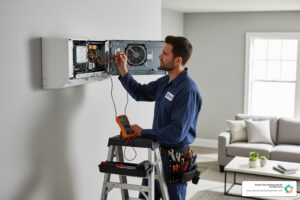
Every job starts the same way: a close, hands-on look at the unit itself. We’re checking for wear, obvious damage, anything that looks off. Then the diagnostic tools come out — wiring, filters, how the thermostat’s actually behaving. It’s not the exciting part of the job, but it’s the part that tells us what we’re really dealing with before we commit to any repair plan.
Carefully Disconnecting and Removing Faulty Components
Once we’ve pinpointed the issue, the faulty parts come out — slowly, not quickly. This is not the step to rush. One careless move here and you’ve turned a single problem into two. Our team disconnects everything safely and handles the damaged parts with care, which is what makes the rest of the repair actually stick.
Installing High-Quality Replacement Parts
With the old parts gone, in go the replacements — built specifically for your heater’s make and model, not just something similar. We follow manufacturer best practices the whole way through, so every piece is seated correctly and stays that way. And before we call it done, we run several checks just to be sure everything’s actually working.
Top Tools and Equipment Our Technicians Use
Essential Tools for Safe Heater Repair
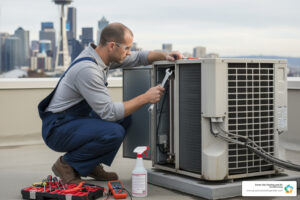
Nothing fancy here, but it matters: screwdrivers, pliers, wrenches, wire strippers. The basics that let us open panels, tighten connections, and handle wiring the right way. We keep these tools maintained and properly calibrated, because a worn-out screwdriver or an off-spec wrench is exactly how a small job turns into a much bigger one.
Advanced Diagnostic Equipment
Beyond the basic toolkit, we bring in more specialized gear to actually see what’s happening inside your system. Digital multimeters read current, voltage, and resistance. Combustion analyzers tell us if a gas heater is burning fuel safely and efficiently. Infrared thermometers flag components running hotter than they should. Put together, this equipment lets us find the actual problem fast — no guesswork involved.
Properly Calibrated Measuring Instruments
Readings are only useful if they’re accurate, so our instruments get calibrated regularly. Pressure gauges, manometers, hygrometers — these track pressure, airflow, and humidity, all of which affect how well your heater actually runs. Getting those numbers right is what lets us make the correct adjustments instead of just eyeballing it.
Post-Repair Practices to Ensure Optimal Performance
Thorough Testing of the Repaired Heater
The job’s not finished the moment the last screw is tightened. We test the system afterward — airflow, thermostat response, overall performance — to confirm it’s actually working the way it should. If something’s still off, we deal with it right then. We don’t call a job done just because the clock says we should.
Cleaning and Maintenance Tips
A little regular upkeep goes further than most people expect. Swap out air filters on schedule, keep the vents clear of dust — small habits, but they add up. We’d also suggest giving your system a periodic once-over so any wear gets caught early, before it turns into a real repair.
Scheduling Follow-Up Checks and Preventive Maintenance
Staying ahead of a breakdown means scheduling maintenance, not waiting until something fails. Our technicians recommend routine visits where small issues get caught early and tune-ups happen before they turn into bigger repairs. It’s the difference between planned upkeep and a surprise breakdown on the coldest night of the year — and one of those is a lot more expensive than the other.
Conclusion
Good heater repair comes down to a handful of details that are easy to overlook: the right parts, an accurate diagnosis, and sticking to what the manufacturer actually recommends. That’s the standard our technicians hold themselves to on every heating system repair at Green City Heating and Air Conditioning. We back it up with the right tools, a consistent process, and post-repair testing that actually confirms the work — you can read more about how that plays out in our repair services guide. Add some routine cleaning and scheduled maintenance on top, and you’ve got a heater that’s built to last. Don’t let a small issue turn into an expensive one — contact us today to schedule your heater repair in Kirkland, and let’s get your home warm again.