What Is a Furnace? A Guide to Understanding Your Home’s Heating System
Once the temperatures start dropping, most homeowners are leaning on their heating system without giving it much thought — until something goes wrong. And for a lot of homes, that heating system is a furnace. So what actually is a furnace, and how does it manage to keep your whole house warm? If you’ve never really thought about it before, you’re in good company. In this post, we’ll walk through what a furnace does, how it heats your home, and why keeping up with maintenance matters more than people usually assume.
What is a Furnace?
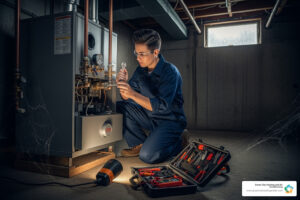
At its core, a furnace is a heating system that runs on gas, electricity, or oil to generate heat and push it throughout your house. Think of it as the engine behind your indoor comfort — a central unit that heats air and then sends it through a network of ducts into every room. Furnaces have been around for a long time, and they’re still one of the most common choices in residential homes for a simple reason: they’re reliable, they work well, and they’re not particularly hard to maintain. If you’re wondering how long your furnace is expected to last before replacement becomes necessary, read more about what is the average life of a gas furnace.
Keeping your furnace in good condition requires regular inspections, cleaning, and timely repairs. Routine service helps improve efficiency, reduce unexpected breakdowns, and extend the lifespan of your heating system. Learn more about regular heater maintenance and repair and how professional care can help keep your home comfortable throughout the heating season.
If you’re installing a new heating system or replacing an aging furnace, understanding the benefits of a properly installed unit can help you make a better decision. A professional installation ensures the system is correctly sized, safely connected, and optimized for your home’s heating needs. Learn more about the key benefits of furnace installation and why choosing expert installation can improve comfort, efficiency, and long-term performance.
If you’re installing a new heating system or replacing an aging furnace, professional installation is just as important as choosing the right equipment. Proper sizing, safe installation practices, and correct airflow setup all contribute to better efficiency, improved comfort, and a longer system lifespan. Learn more about the benefits of professional furnace installation and why expert installation makes a difference. Homeowners planning to replace an older furnace can also benefit from understanding the replacement process. Our guide on what to expect during furnace replacement explains the steps involved and how professional replacement helps ensure a smooth transition to a new heating system.
If your furnace is reaching the end of its lifespan or showing signs of reduced performance, it may be time to consider an upgrade. Learn more about the warning signs and factors to consider in our guide on when it’s time for furnace replacement before deciding on your next heating solution.
Choosing the correct furnace size is also an important part of maintaining efficiency and comfort. An improperly sized system can lead to uneven heating, higher energy costs, and unnecessary strain on your equipment. Learn more about what size furnace do I need and how proper sizing helps your home heating system perform effectively.
Even a reliable furnace can develop problems over time due to normal wear and tear, dirty components, or mechanical failures. Issues like uneven heating, unusual noises, weak airflow, or a furnace that struggles to keep your home warm are common signs that something may need attention. Our guide on common heating problems and how to fix them covers some of the most frequent issues homeowners experience and what steps can help resolve them.
Knowing when your system needs professional attention can help prevent small issues from becoming expensive repairs. Our guide on how we handle furnace repairs explains what to expect when your heating system needs expert service.
How Does a Furnace Work?
Breaking it down, a furnace goes through a few key steps to actually heat your home:
-
- Heating the Air: Depending on the furnace type, things kick off when a fuel source — natural gas, propane, electricity, or oil — gets ignited to produce heat. That heat passes through a heat exchanger, which transfers it into the air moving through the system.
-
- Circulating the Warm Air: From there, a blower fan pushes that heated air through the ductwork and out into the various rooms of your home, so the warmth doesn’t just stay in one spot.
- Thermostat Control: The thermostat is what ties it all together — it keeps tabs on your home’s temperature and tells the furnace when to switch on or off. Drop below your set temperature, and the furnace kicks in. Hit that target, and it shuts back off.
Types of Heat Furnaces
Not all furnaces run on the same fuel. Here’s a rundown of the most common types you’ll come across:
-
- Gas Furnaces: Probably the most common option out there. These run on natural gas and tend to be the most efficient choice if you already have gas lines running to your home.
-
- Electric Furnaces: These use electric heating elements instead of combustion. They’re generally simpler to install, though they can get pricier to run, especially somewhere with harsh winters.
- Oil Furnaces: Common in areas without access to natural gas lines. They can be efficient, but they typically need a bit more upkeep than other types.
- Propane Furnaces: Basically a cousin of the gas furnace — used where natural gas isn’t an option, running instead on liquid propane stored in a tank.
Can You Run a Furnace During a Power Outage?
A common question homeowners ask during the winter is whether their furnace will continue working if the power goes out. The answer depends on the type of furnace you have. While gas and propane furnaces use fuel to generate heat, they still rely on electricity to power essential components like the blower motor, ignition system, and thermostat. Without electricity, most modern furnaces won’t operate on their own.
One solution is using a backup generator to keep your heating system running during an outage. However, it’s important to understand the correct generator size, proper connection methods, and safety precautions before attempting this setup. If you’re considering this option, read our guide on how to run a furnace off of a generator to learn the best practices for keeping your home warm when the power is out.
Why is Furnace Maintenance Important?
Like most appliances, how long your furnace lasts comes down largely to how well it’s maintained. Here’s why staying on top of maintenance actually matters:
- Improved Efficiency: A furnace that’s well cared for simply runs better, and that shows up as lower energy bills. Routine cleaning and tune-ups keep the system working the way it’s supposed to.
- Longer Lifespan: Sticking to a maintenance routine can stretch out how long your furnace lasts, which means fewer surprise repairs and a longer wait before you need a replacement.
- Improved Air Quality: A clean filter and a properly maintained system mean better air quality in your home — less dust, fewer allergens floating around.
- Safety: This one matters especially for gas and oil furnaces — you want to catch gas leaks or carbon monoxide issues before they become dangerous, and annual inspections are what catch that.
How Do You Know When It’s Time to Replace Your Gas Furnace or Other Heating System?
With proper care, furnaces can hold up for 15 to 20 years. But at some point, repairing an aging unit stops making financial sense compared to just replacing it. A few signs it might be time:
- Your furnace has crossed the 15-year mark.
- Your energy bills have been climbing noticeably.
- You’re calling for repairs more often than you used to.
- Some rooms feel warm while others don’t — uneven heating throughout the house.
Conclusion
Your furnace does a lot of quiet, unglamorous work keeping your home comfortable, especially once winter sets in. Knowing how it works, what type you have, and why regular maintenance matters can help you get a lot more out of it over the years. If you’ve got questions about your furnace or want a professional to take a look, don’t hesitate to reach out to Green City Heating and Air. Our team is happy to make sure your home stays warm and your furnace keeps running the way it should.